

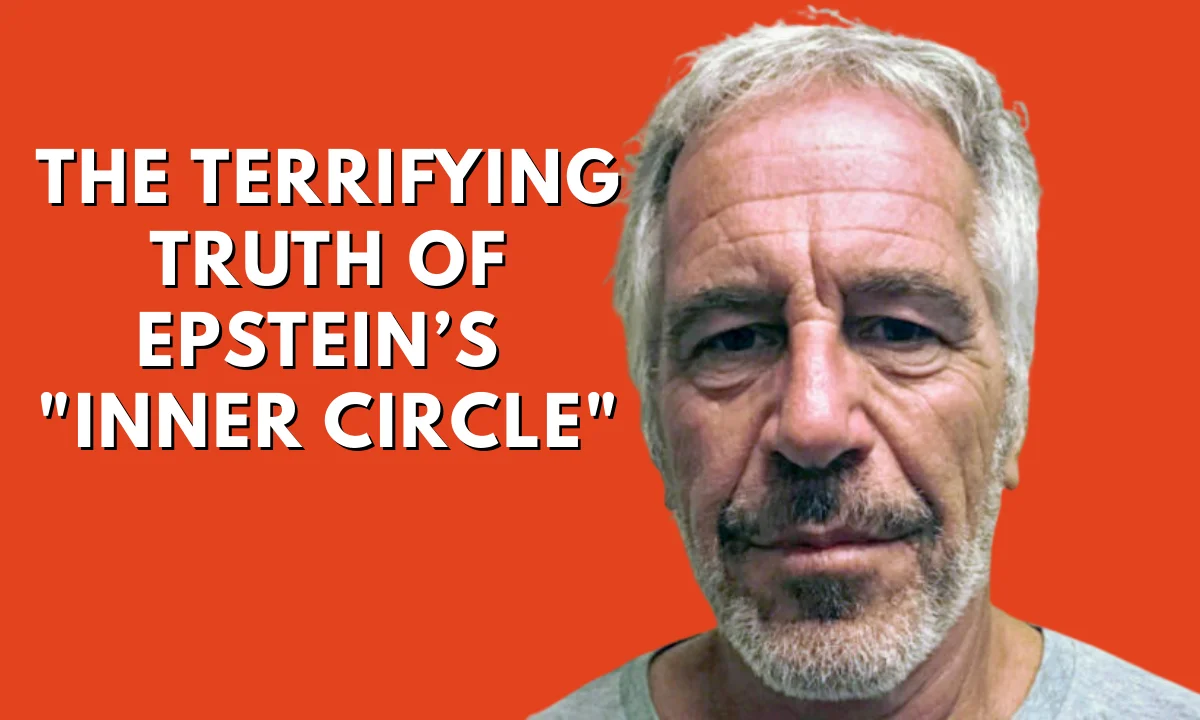
One of the most difficult and haunting questions surrounding the Jeffrey Epstein scandal is also the most uncomfortable: why were so many powerful men drawn into the sexual abuse of children? Even for experts, journalists, and survivors, this question resists easy answers. It forces society to confront not only individual depravity, but the deeper structures of power that allowed such abuse to flourish unchecked for decades.
For survivors of child sexual abuse, the question is especially painful. It is almost impossible to comprehend how an adult—let alone many adults—could knowingly harm a child. When these crimes occur at scale, protected by wealth and influence, the confusion becomes even more profound.
Yet as disturbing as the acts themselves are, the Epstein case reveals something broader and arguably more dangerous: a system in which power, access, and impunity mattered more to many adults than the safety of children.
Beyond Individual Pathology: The Role of Power
There is no single explanation for why child sexual abuse occurred within Epstein’s network. Some individuals were likely driven by direct sexual interest in children—a reality that is deeply unsettling and difficult to process. But the evidence and survivor testimonies suggest that many more people were involved who may not have personally abused children, yet knowingly remained in environments where abuse was clearly taking place.
Survivors consistently describe seeing prominent and powerful individuals around Epstein, witnessing situations that would raise immediate alarm for any “right-thinking person.” It strains credibility to believe that those present did not at least suspect criminal behavior.
For these individuals, the motivation appears less about sexual desire and more about access to power. Epstein cultivated an inner circle defined by exclusivity, secrecy, and privilege. Being close to him meant entry into rooms occupied by presidents, billionaires, tech moguls, and heads of state. That access was intoxicating—and, for some, worth almost any moral cost.
Epstein as a Broker of Untouchable Luxury
Jeffrey Epstein was widely described by survivors as an expert manipulator. He understood how to use his wealth, properties, and connections to make powerful people feel more powerful still. He promised them entry into a world where consequences did not apply—a life of untouchable luxury.
This offer proved irresistible to many. Epstein could place people in the same space as figures such as Bill Clinton, Donald Trump, and Elon Musk—men whose proximity alone confers status. Survivor testimony has even described encounters involving Epstein and prominent political figures over multiple days.
For those chasing power, influence, or legitimacy, the message was clear: look away, stay quiet, and you can belong.
A Depraved Trade-Off: Power Over Protection
What emerges from the Epstein scandal is a terrifying moral calculus. Many individuals appear to have valued proximity to power more than the protection of children. This reflects a profound erosion of humanity—one in which children became collateral damage in the pursuit of elite status.
This is not merely personal failure; it reflects structural rot. In late-stage capitalism and elite social systems, power often shields itself. Accountability becomes optional. Those with wealth and influence learn, over time, that rules apply differently to them.
That lesson appears to have been central to Epstein’s operation.
Was Epstein an Intelligence Asset?
Complicating the story further are longstanding allegations that Epstein was connected to intelligence agencies. In 2019, reporting revealed claims that then–U.S. Attorney Alex Acosta was told Epstein “belonged to intelligence” and should be left alone—an explanation later retracted, but never fully resolved.
Former intelligence figures have since claimed that Epstein functioned as a so-called “honey trap,” using women and girls to gather compromising material on powerful individuals for leverage and surveillance. While hard evidence remains incomplete, the questions are unavoidable.
The FBI had reportedly been aware of Epstein since the mid-1990s. Survivors described visible surveillance equipment in his Palm Beach home. Despite repeated warnings and reports, meaningful intervention did not occur for years.
Whether Epstein was formally tied to intelligence agencies or merely benefited from their disinterest, the result was the same: extraordinary protection from accountability.
Why Children?
Perhaps the most painful question remains unanswered: why did child sexual abuse sit at the center of this network?
One explanation is simple and horrifying—Epstein himself was a pedophile, and the system grew outward from his preferences. But for others involved, the draw may have been something else entirely.
Abusing children is almost universally recognized as one of the most reprehensible crimes imaginable. To be offered the chance to commit such an act—and be assured of impunity—would be a profound demonstration of power. It sends a chilling message: the rules do not apply to you.
Epstein appears to have understood this psychology well. By offering impunity for the unforgivable, he made participants feel untouchable. And for decades, he was right. Most individuals accused of abusing minors in his orbit have never been charged.
Survivors and the Weight of Rape Myths
While powerful figures evade accountability, survivors face relentless scrutiny. One of the most damaging aspects of the Epstein trials was not just the defense strategies, but the media coverage shaped by enduring rape myths—false beliefs about how “real” victims should behave.
Survivors are frequently accused of lying for money, attention, or regret. These myths persist despite decades of psychological research disproving them. As a result, victims are retraumatized repeatedly—by courts, journalists, and the public.
This dynamic was painfully evident during the testimony of Epstein survivor Annie Farmer.
The Annie Farmer “Boots” Myth
Annie Farmer testified in detail about her abuse, providing hours of compelling and courageous testimony. Yet media coverage fixated on one detail: a pair of cowboy boots purchased for her by Ghislaine Maxwell.
Prosecutors presented the boots as evidence of grooming—an established tactic in child sexual abuse involving gift-giving to meet unmet needs and build dependency. Farmer later wore the boots, explaining that she wanted to reclaim them.
To anyone familiar with grooming dynamics, this behavior is not only common—it is expected. Research consistently shows that victims often keep, use, or struggle to discard items associated with abuse.
Yet the defense, and much of the media, treated this as proof she was lying. Articles mentioned the boots dozens of times, while ignoring the substance of her testimony entirely.
When Myths Override Science
Similar logic was used to discredit other survivors who stayed in contact with Epstein after escaping his control—another well-documented outcome of grooming and trauma bonding.
These behaviors are not evidence of deceit. They are evidence of abuse.
Still, many reporters—particularly male journalists unfamiliar with trauma research—openly dismissed survivor testimony based on what they personally imagined they would do. In doing so, they reinforced myths that protect abusers and silence victims.
The Truth About Credibility
The reality is stark: the behaviors often used to discredit survivors are scientifically recognized indicators that abuse occurred. Yet myths suggesting victims routinely lie remain deeply attractive to society, because they allow people to avoid confronting uncomfortable truths.
Annie Farmer reported Epstein to the FBI in 1995. Decades later, her testimony was validated by courts and compensation funds. Still, myths persisted.
This is why understanding grooming, trauma, and survivor psychology is not optional—it is essential.
A World That Must Choose Accountability
The Epstein scandal is not just about one man. It is about a world in which power insulated abuse, where children were sacrificed for access, and where victims were doubted while perpetrators walked free.
The most terrifying lesson is not that such crimes occurred—but that they were tolerated for so long.
If society continues to allow wealth and influence to override justice, then the conditions that enabled Epstein will persist. Accountability is not just about the past. It is about whether we are willing to create a future where no one—no matter how powerful—can commit the unforgivable and get away with it.
FAQs
What are the Epstein files?
The Epstein files are court-released documents that include emails, testimonies, and records connected to Jeffrey Epstein and his associates.
Why are the Epstein files being released now?
They were released following court orders aimed at increasing transparency in long-sealed legal proceedings.
Who is named in the Epstein files?
The files reference politicians, business leaders, celebrities, and royals, though naming does not imply criminal guilt.
Do the files contain evidence of crimes?
Some materials raise serious ethical and legal concerns, but not all documents amount to direct criminal proof.
Are victims’ identities revealed in the files?
Many survivor names were redacted or protected, in line with court rulings and privacy laws.
What impact do the files have on public trust?
They have intensified public skepticism toward political, financial, and social elites.
How are governments responding to the revelations?
Officials have largely called for calm and due process, while some lawmakers demand further investigations.
Is this the final release of Epstein-related documents?
No. Additional disclosures and legal actions may still emerge in the future.
How do the files affect people mentioned but not charged?
Reputations may be damaged, but legal consequences require formal investigations and evidence.
Why do the Epstein files matter globally?
They highlight how power, secrecy, and privilege can shield wrongdoing across borders.
Conclusion
The release of the Epstein files marks a rare moment where secrecy at the highest levels is forced into public view. Beyond the headlines and speculation, the documents expose how power networks operate quietly—built on access, silence, and mutual protection. They challenge the long-held belief that wealth and influence exist alongside accountability, showing instead how easily justice can be delayed or denied when elites are involved.
Ultimately, the true importance of the Epstein files lies in what happens next. Public attention alone is not enough; meaningful outcomes depend on independent investigations, legal action, and sustained pressure for transparency. Whether this moment becomes a turning point or fades into another unresolved scandal will be determined by the willingness of institutions—and the public—to demand real consequences rather than symbolic outrage.
Anne Kellogg is the creative mind behind NamesPerl, where she shares her passion for names. With 4 years of experience in crafting unique and catchy names, Anne helps readers discover the perfect words to express identity, creativity, and meaning.